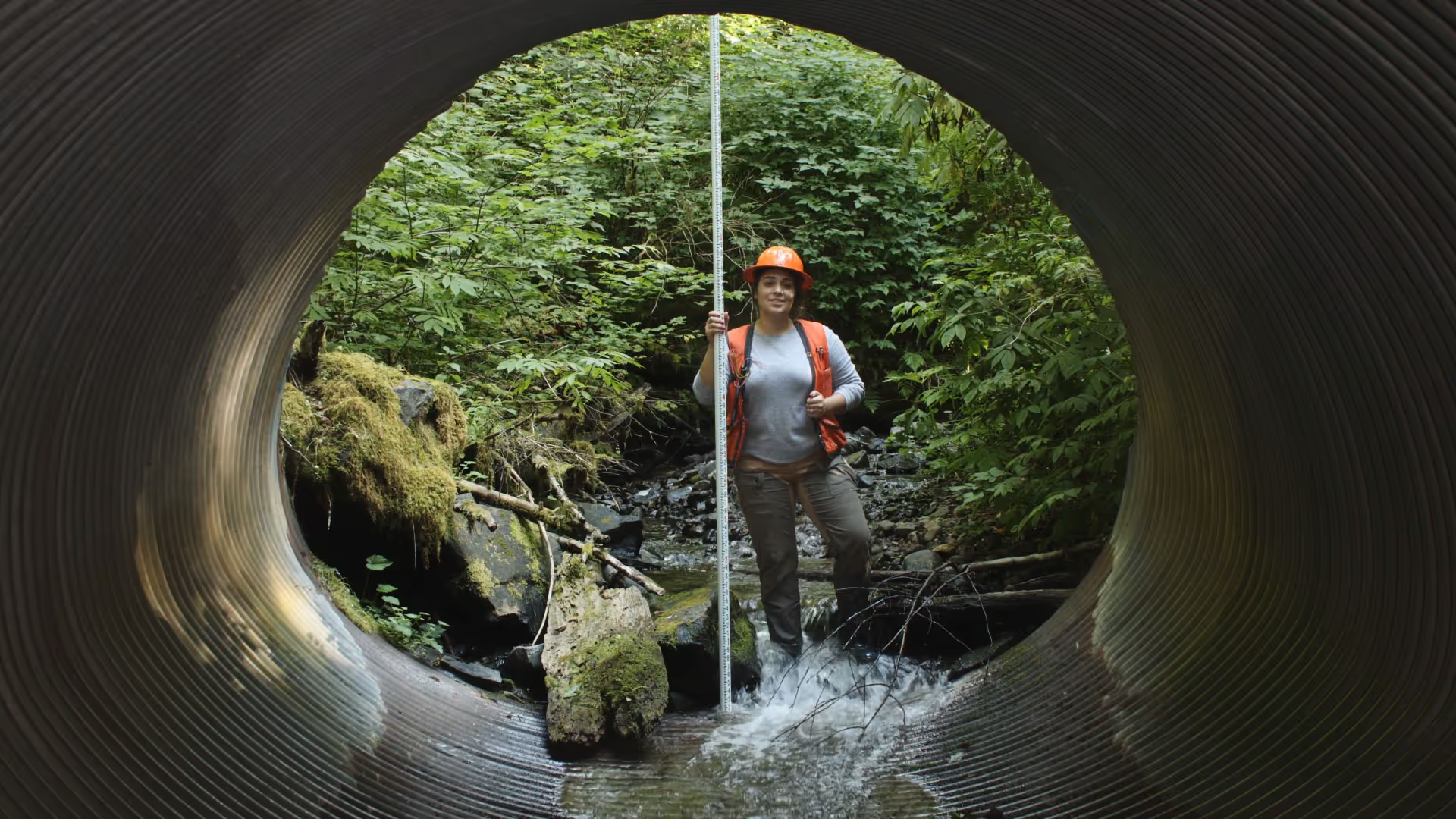
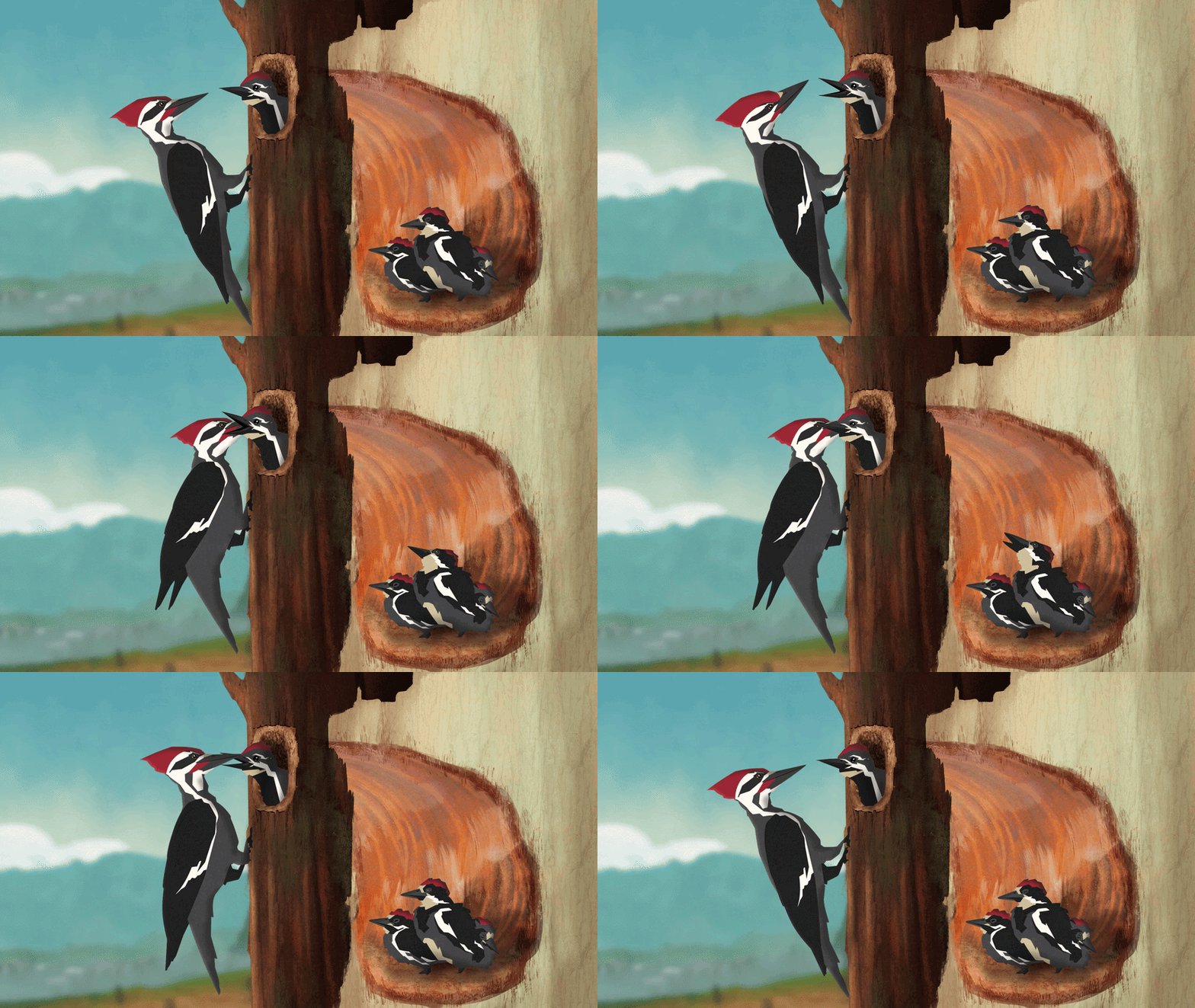
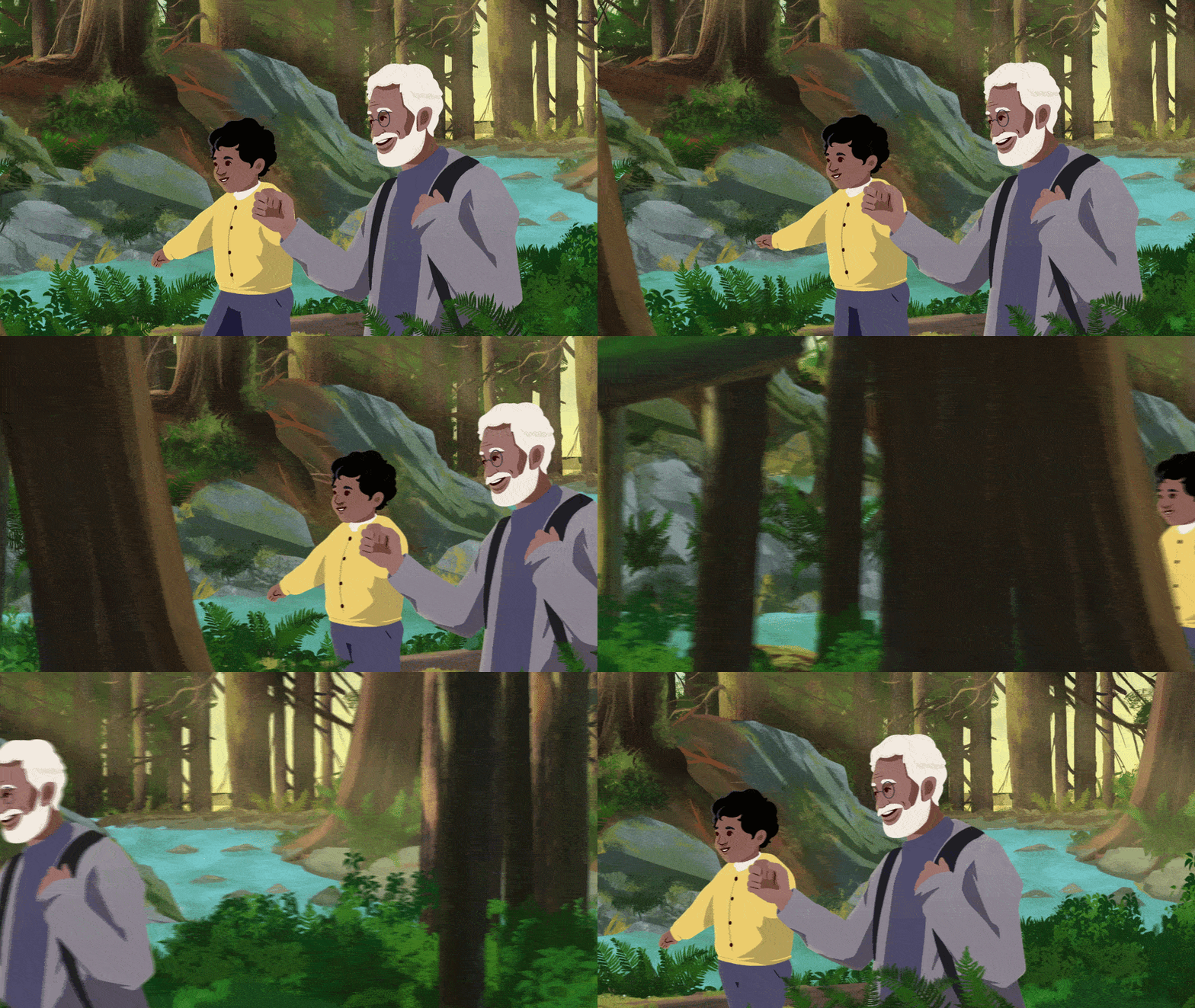
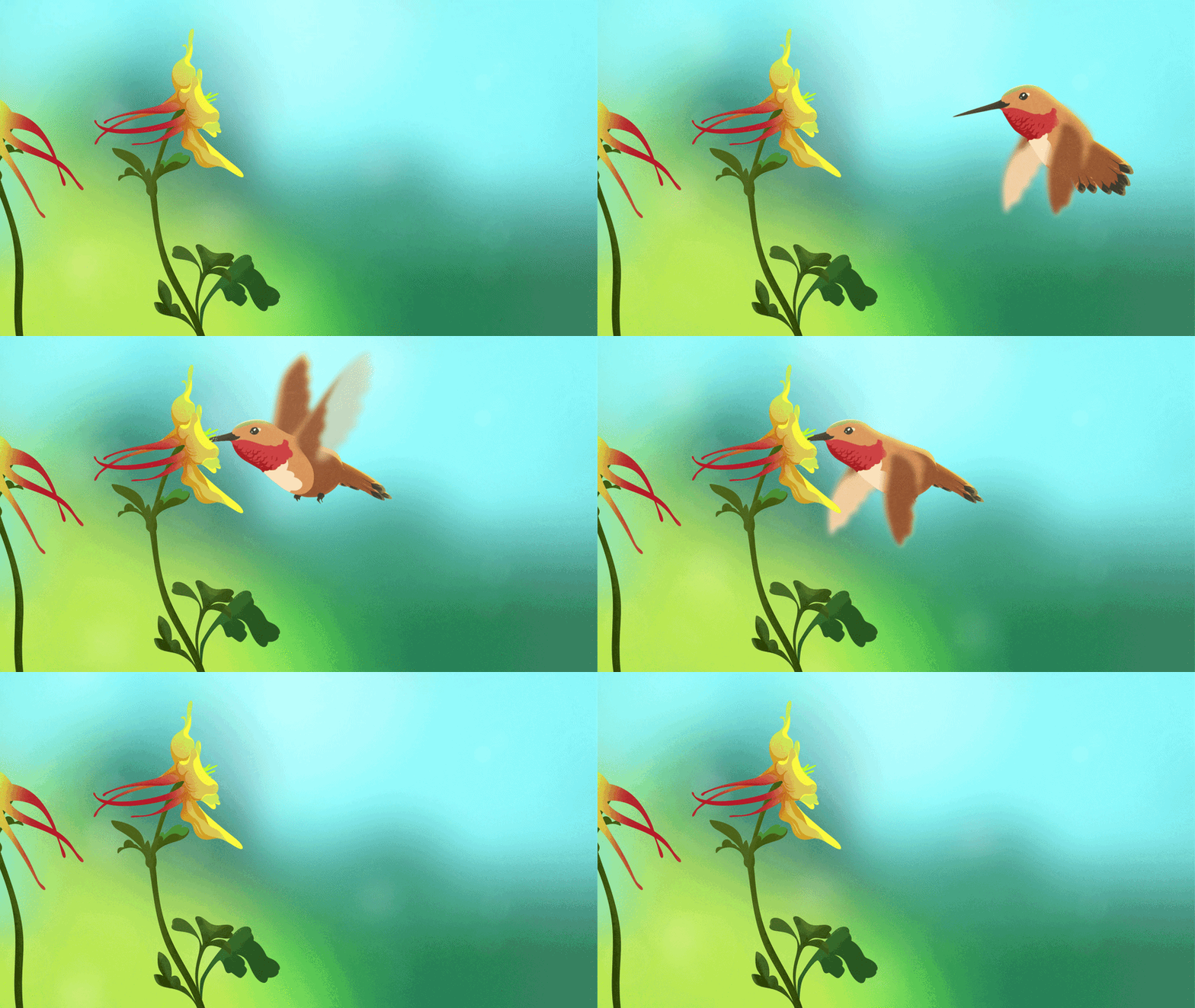
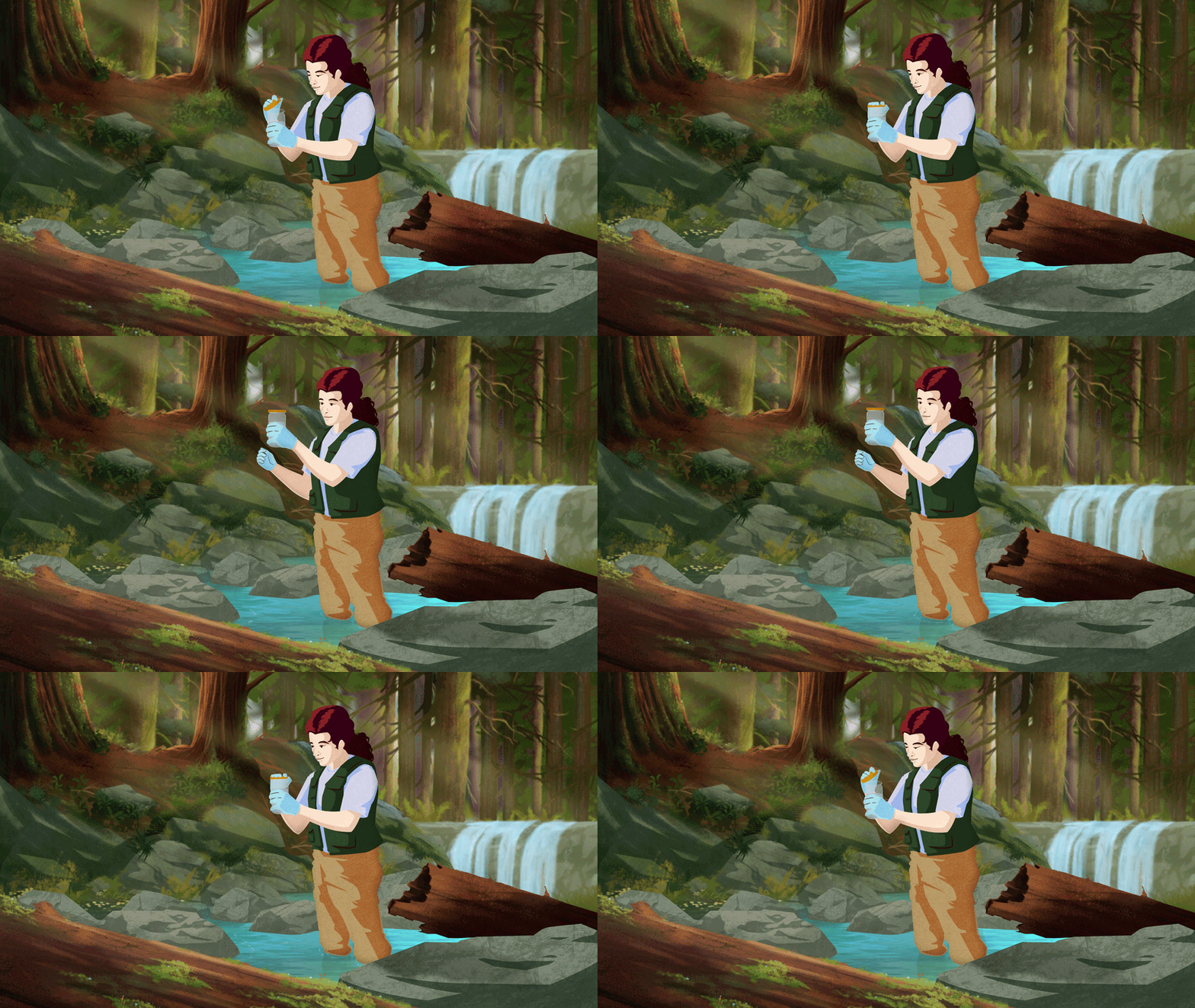
Complex environmental topics can be difficult to explain–or animate. For OFRI, we created a series of animated stories that made the science and management of Oregon's forests more accessible through engaging storytelling and detailed environmental design. Working closely with forestry experts throughout the process, we paid careful attention to everything from wildlife behavior to forest scale and ecology, ensuring the work was both scientifically accurate and easy for audiences to understand.
Client: Oregon Forest Resources Institute (OFRI)
Producer: James Horn
Creative Director: Barret Thomson
Art Director: Gaby West
Complex environmental topics can be difficult to explain–or animate. For OFRI, we created a series of animated stories that made the science and management of Oregon's forests more accessible through engaging storytelling and detailed environmental design. Working closely with forestry experts throughout the process, we paid careful attention to everything from wildlife behavior to forest scale and ecology, ensuring the work was both scientifically accurate and easy for audiences to understand.
Client: Oregon Forest Resources Institute (OFRI)
Producer: James Horn
Creative Director: Barret Thomson
Art Director: Gaby West
The Oregon Forest Resources Institute (OFRI) needed a series of animated films that could help audiences better understand the science, management, and environmental realities of Oregon's forests.
The challenge was communicating complex topics in a way that felt approachable without sacrificing accuracy. The films needed to educate while remaining engaging, helping viewers connect with subjects that are often difficult to explain through traditional educational content alone.
Forestry is complex.
Every topic touched on decades of research, environmental science, and real-world management practices. Simplifying that information too much risked losing important context, while presenting it exactly as written risked losing the audience altogether.
The team needed to find a balance between education and storytelling—creating films that felt accessible to general audiences while still earning the trust of forestry professionals and subject matter experts.
Close collaboration became the foundation of the project.
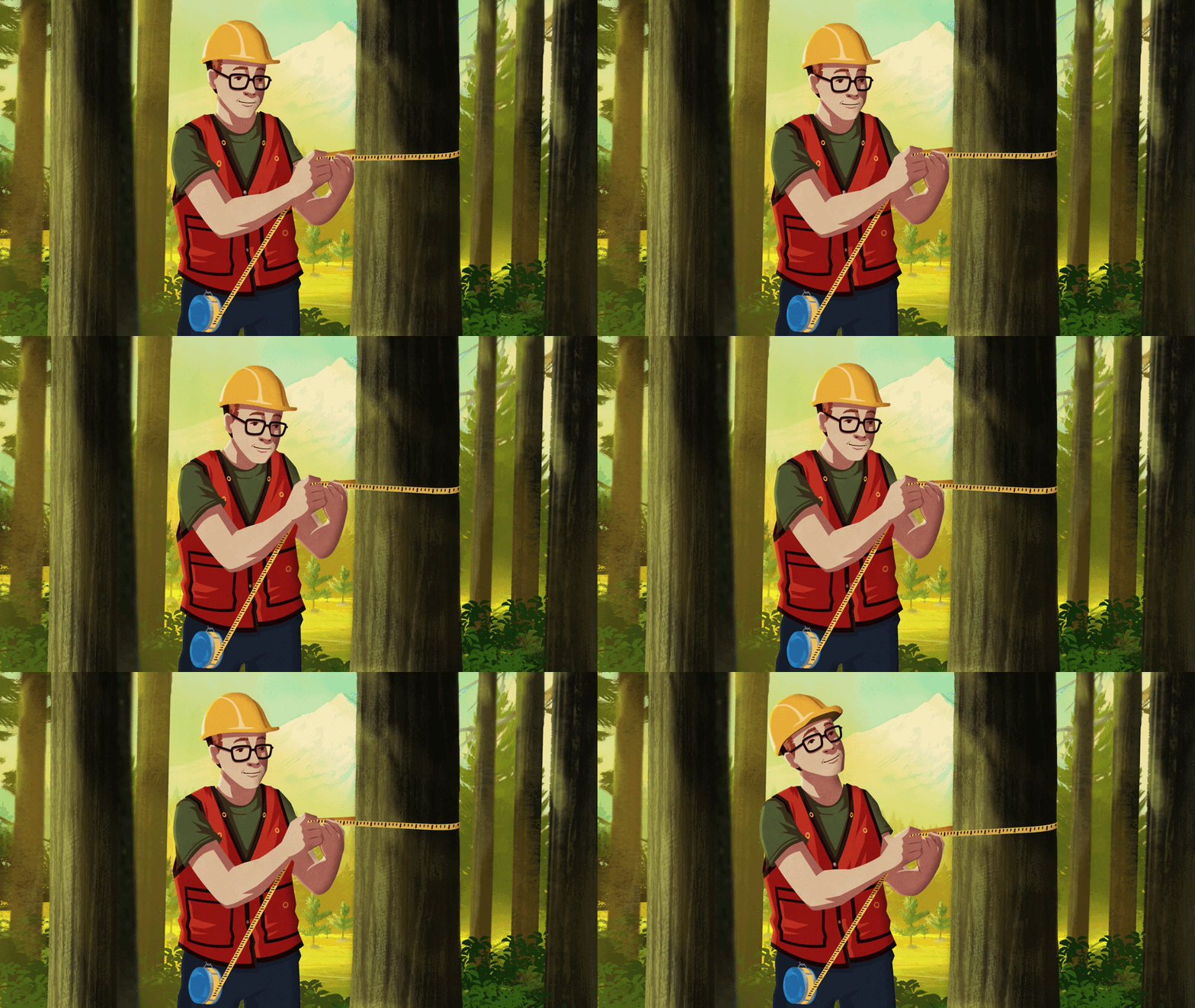
Throughout production, the team worked closely with forestry experts to ensure the information being presented was accurate and responsibly represented. That feedback shaped everything from the scripts and storyboards to environmental details within the final animation.
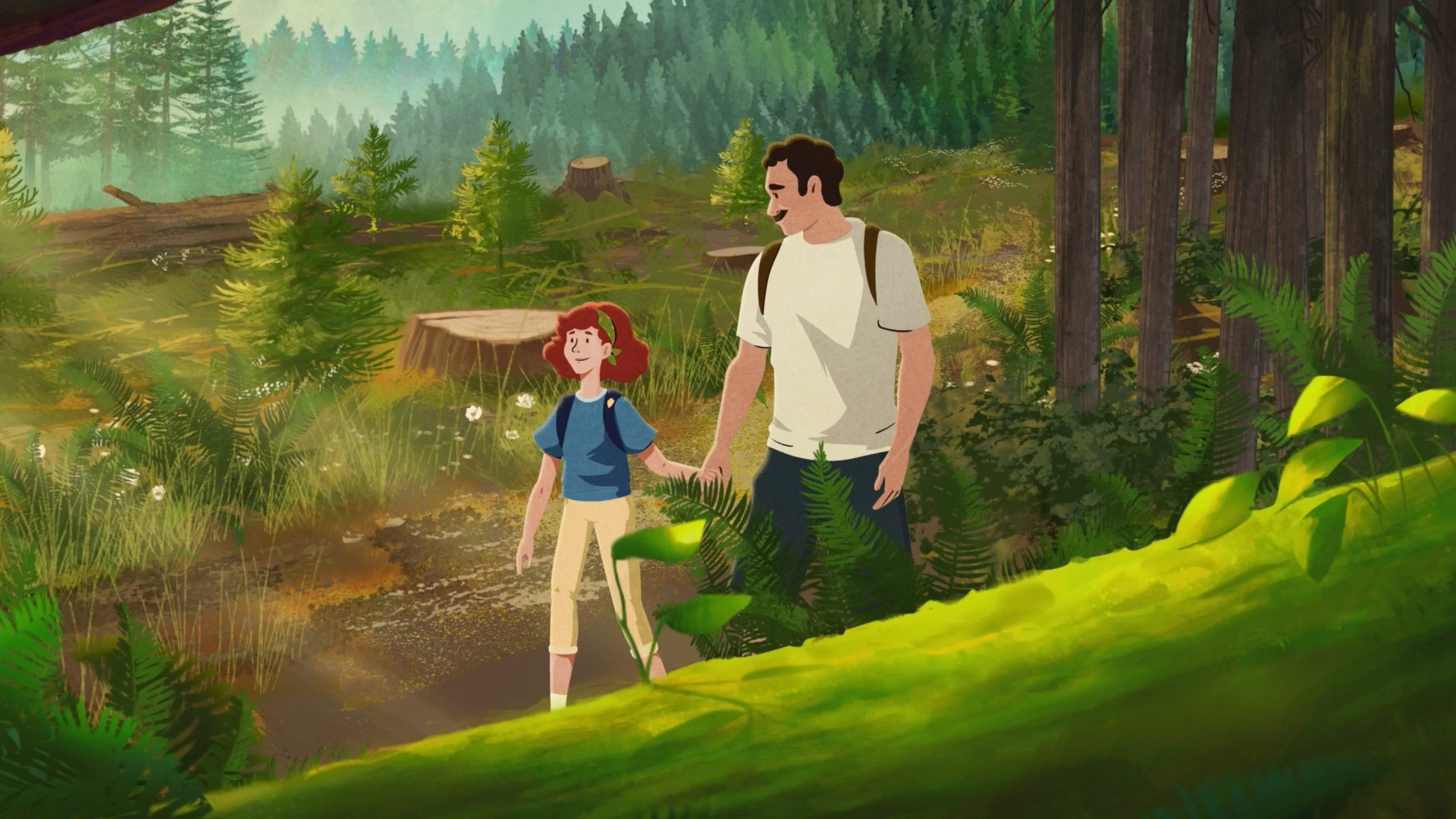
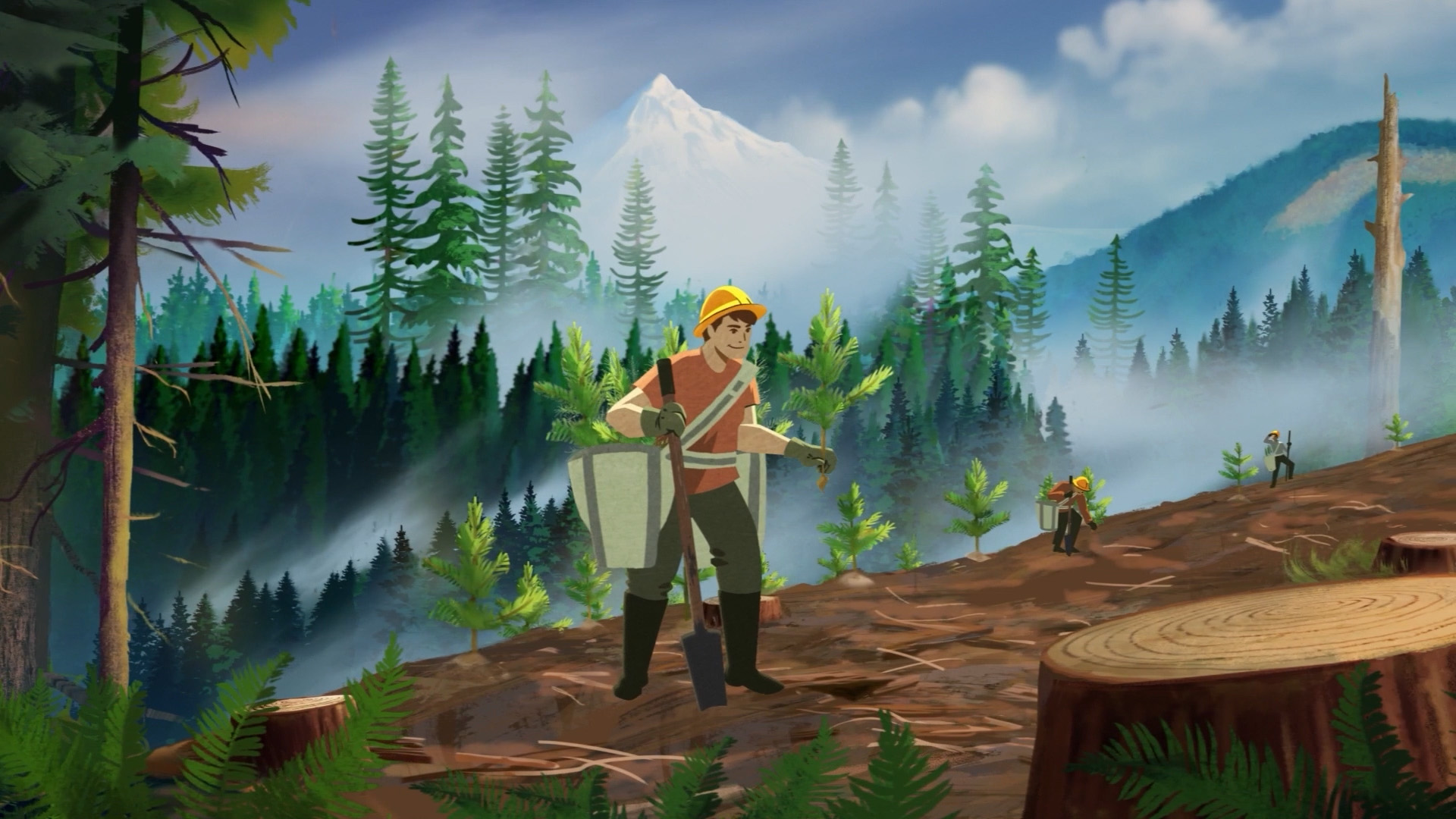
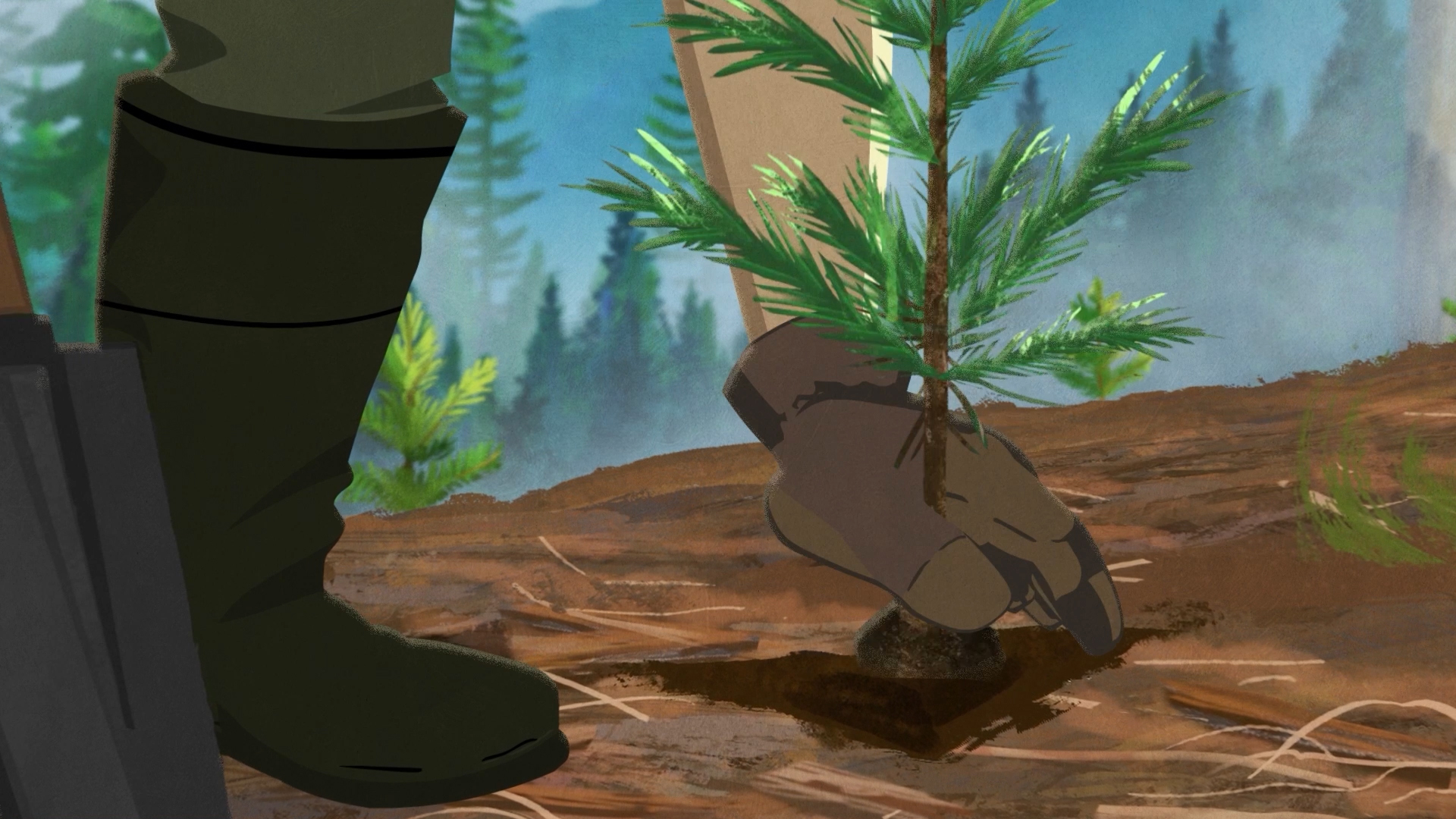
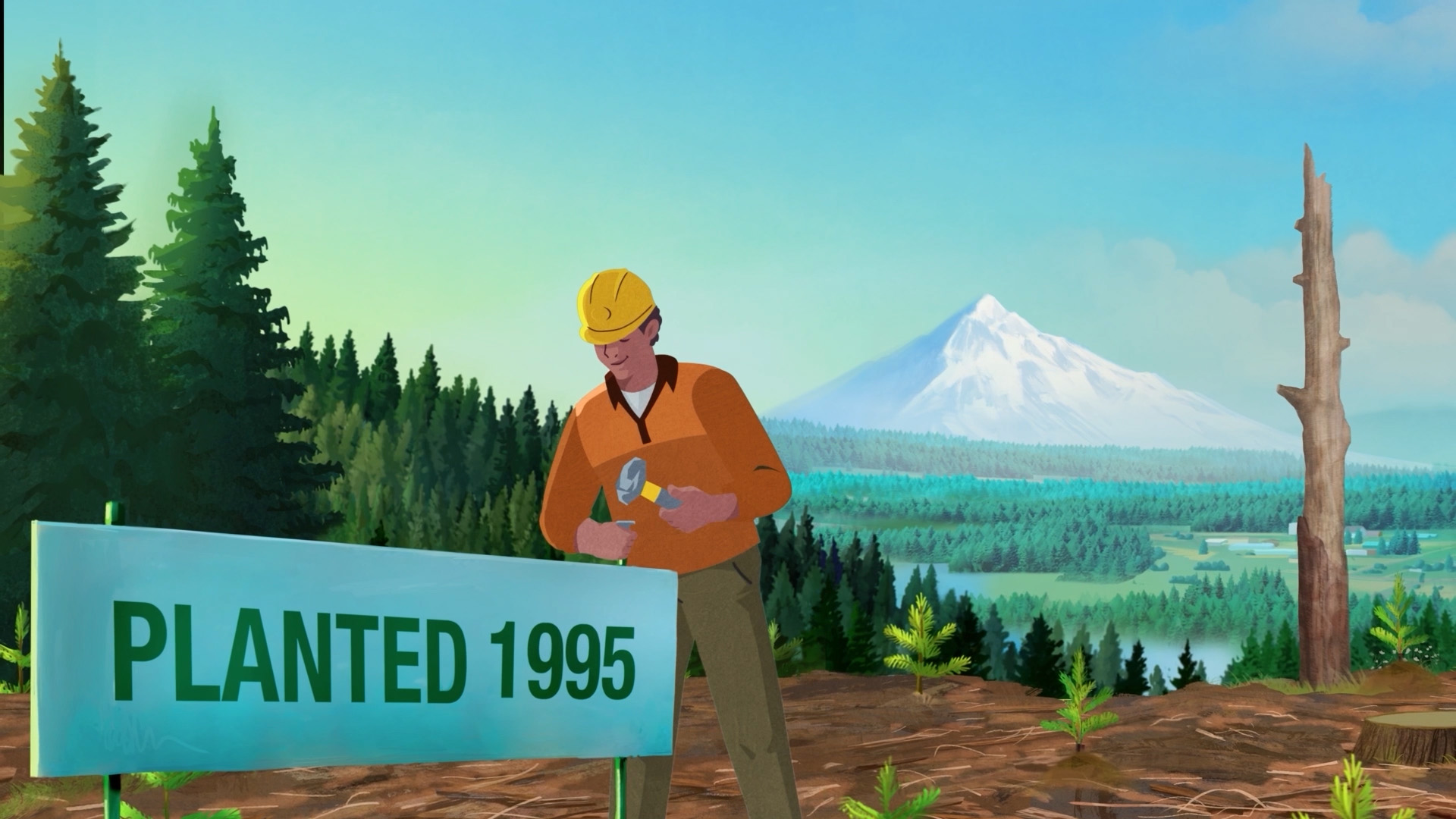
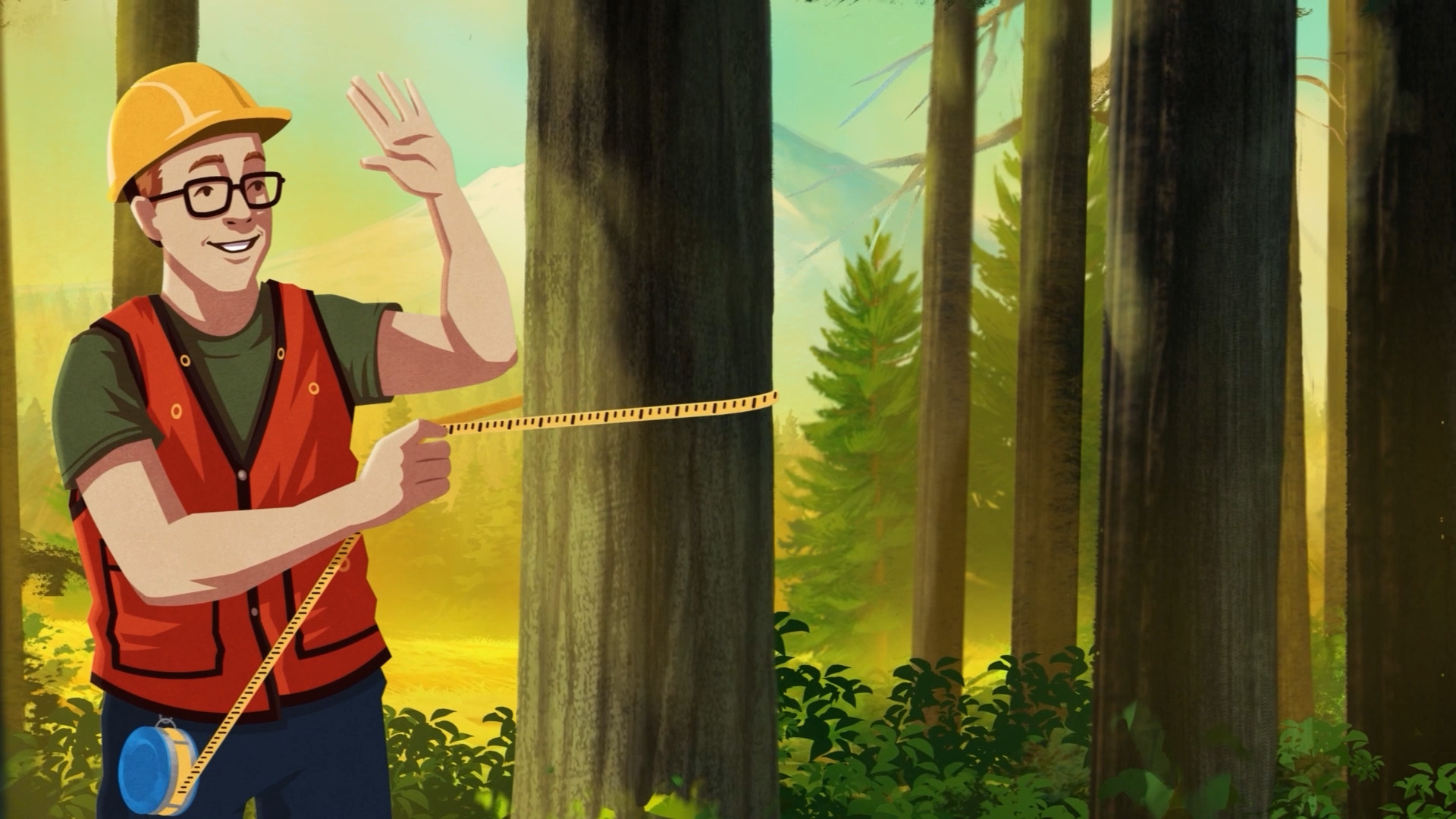
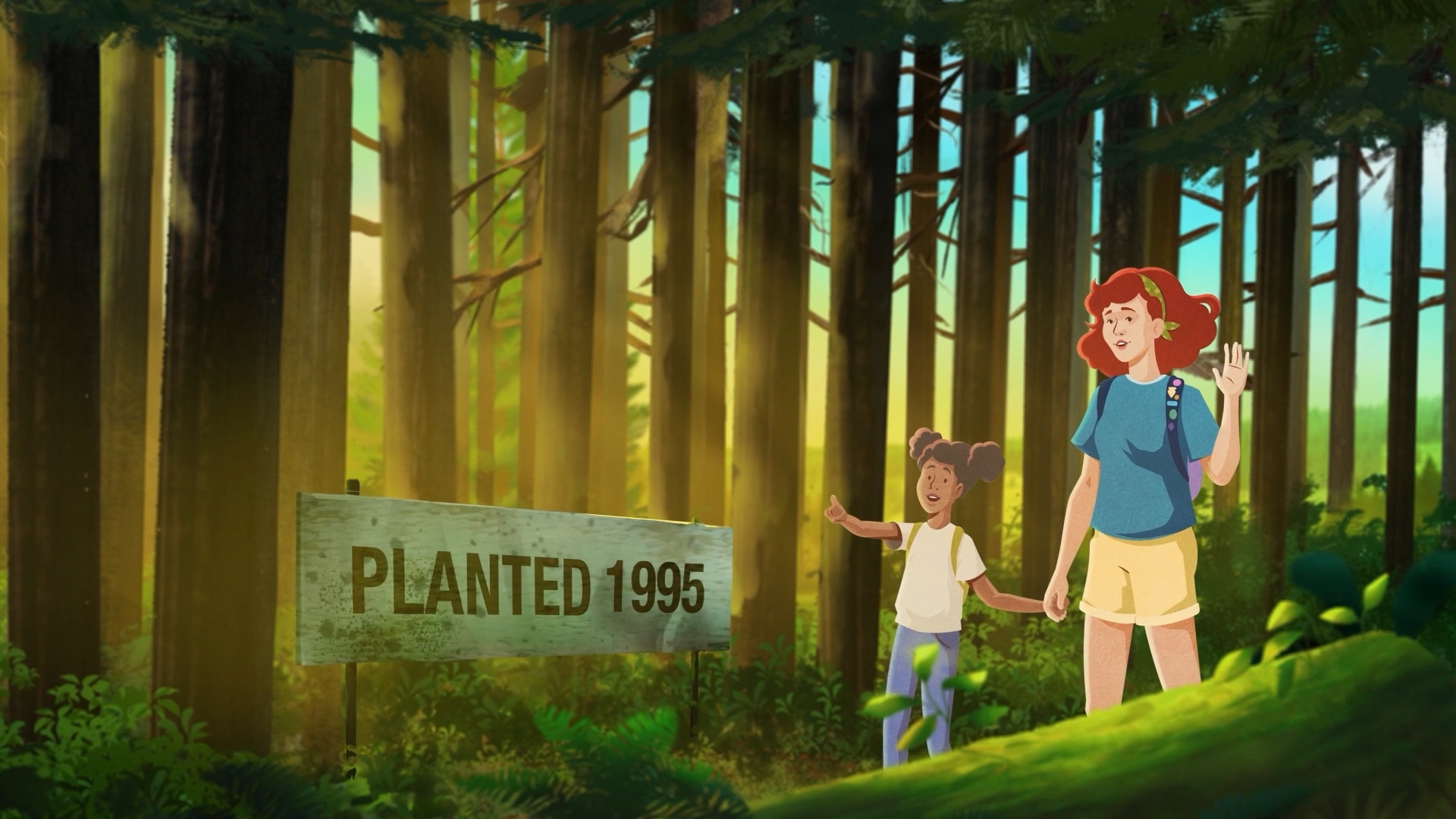
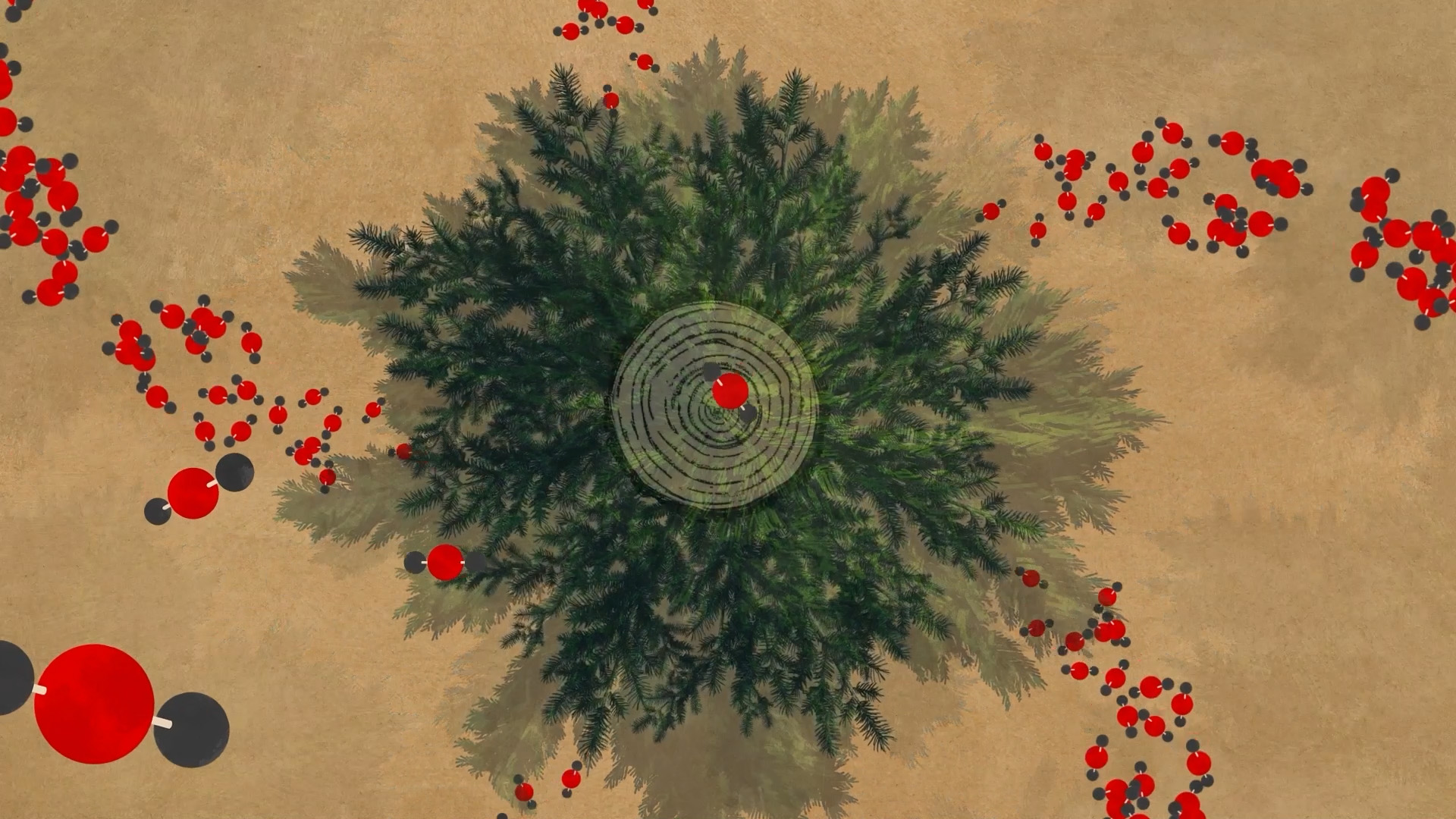
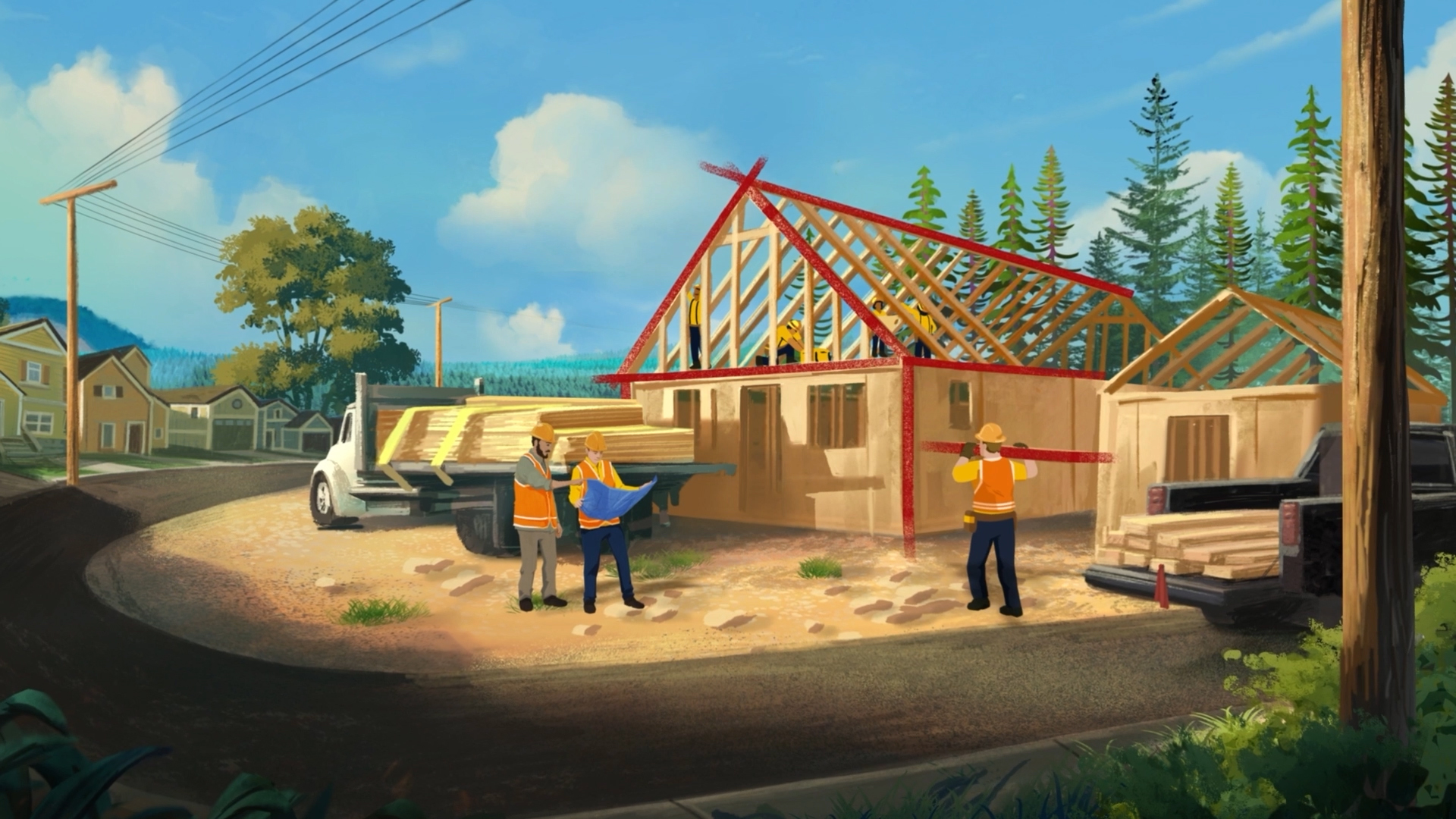
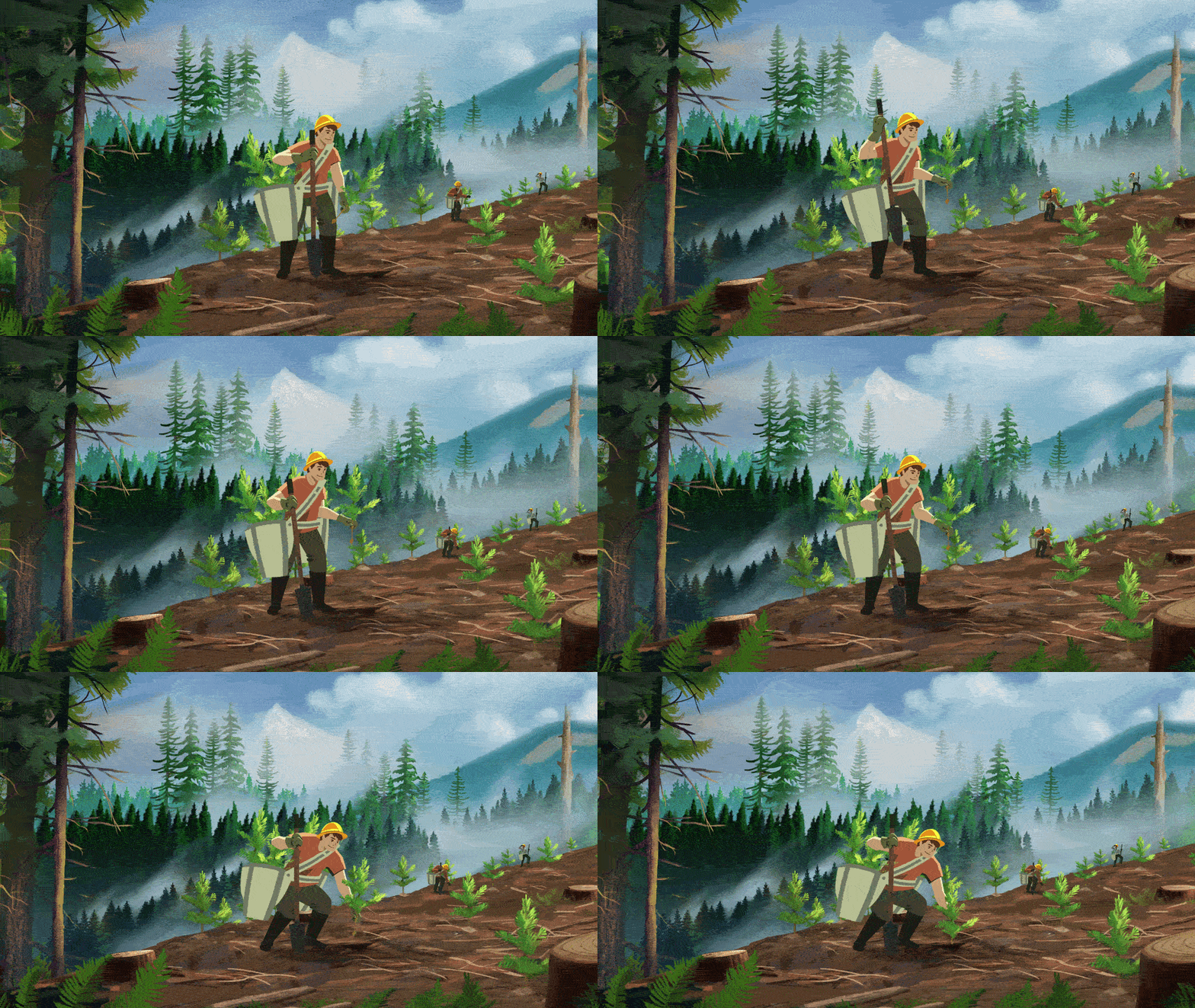
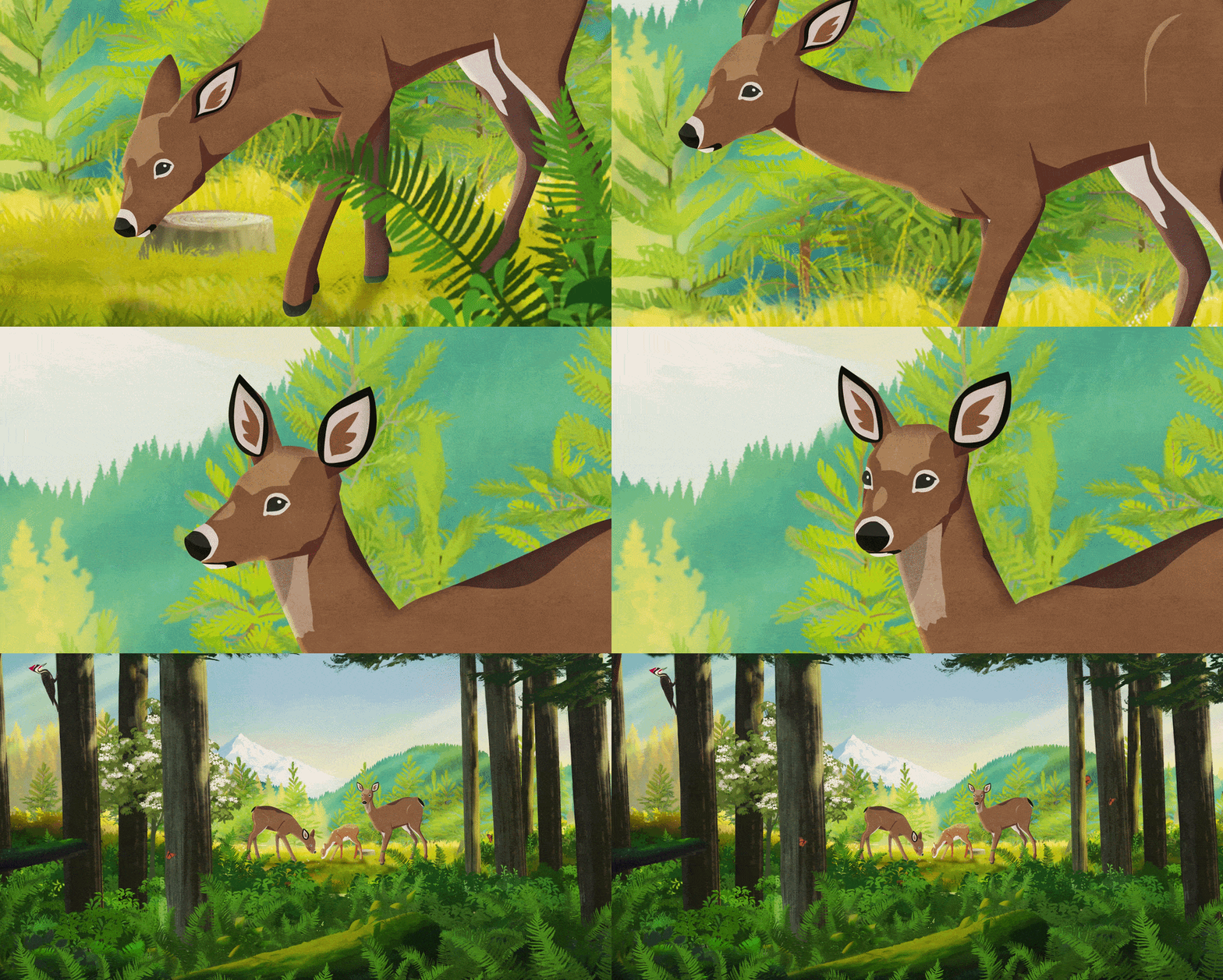
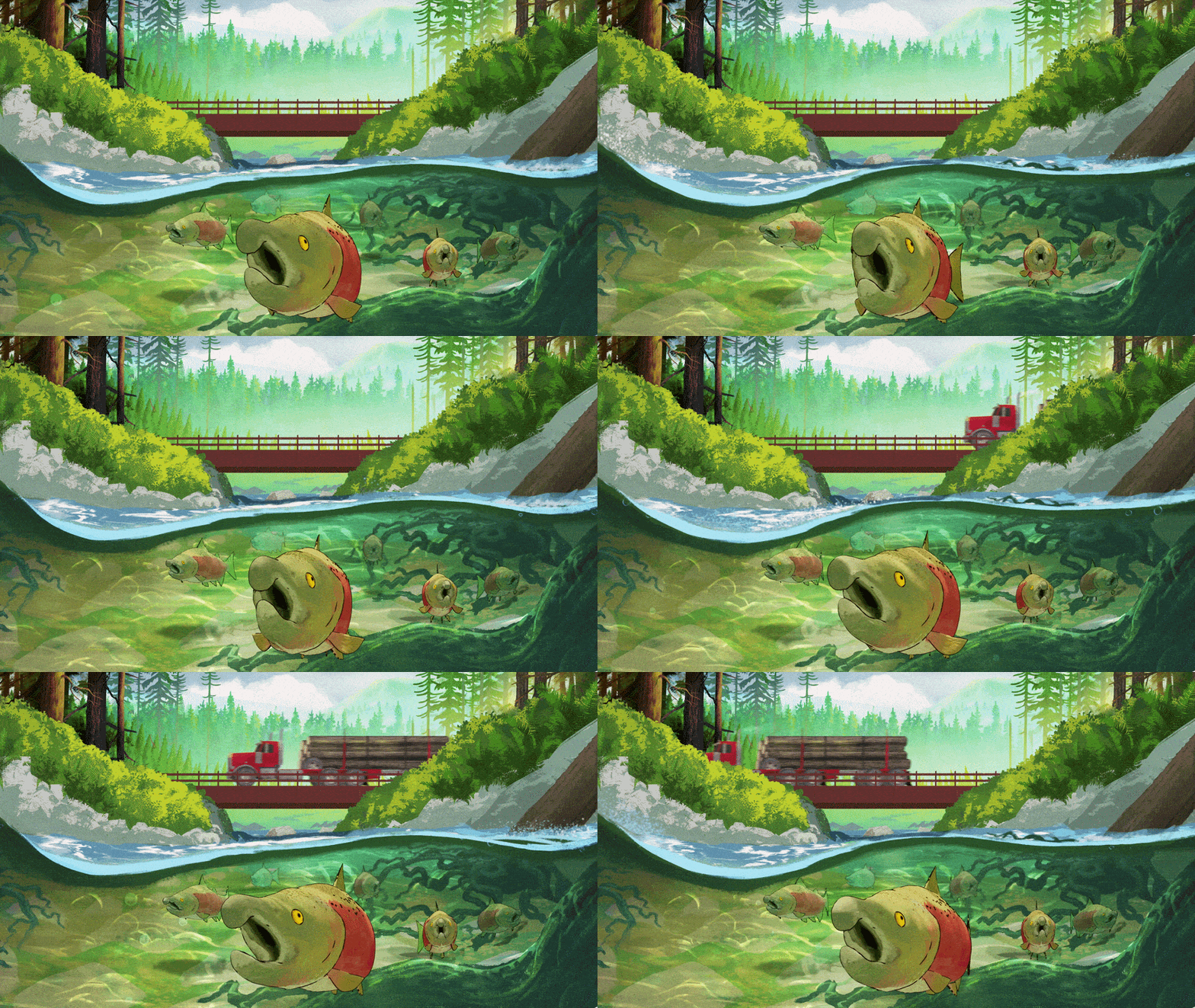
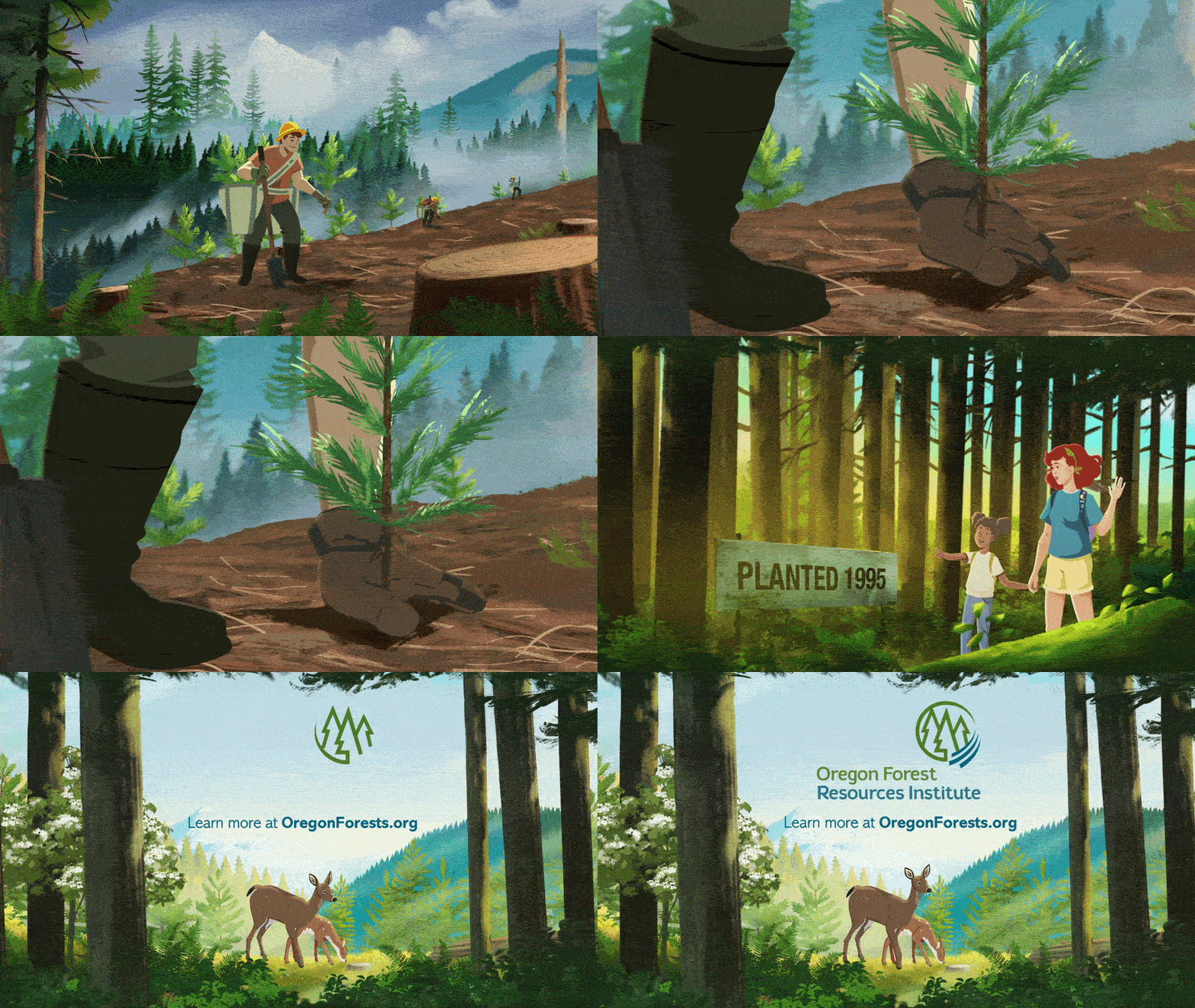
The visual approach was equally important. Rather than relying on simple backgrounds, the team created richly detailed forest environments that helped audiences feel immersed in the world being discussed.
Every tree species, landscape, and environmental element became an opportunity to reinforce the story while supporting the educational goals of the project.
By pairing expert insight with thoughtful visual storytelling, the films were able to communicate complicated ideas in a way that felt clear, engaging, and approachable.
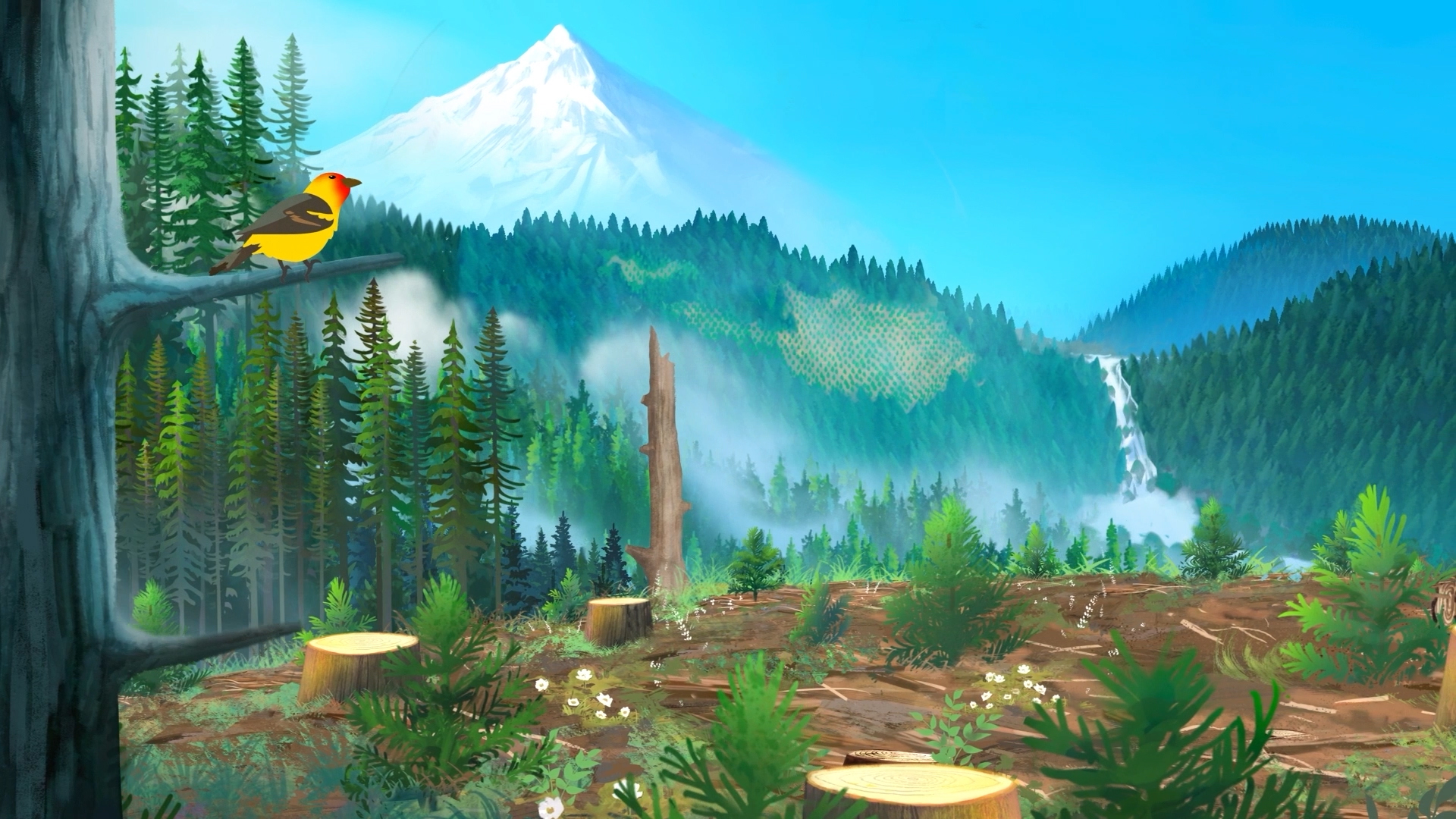
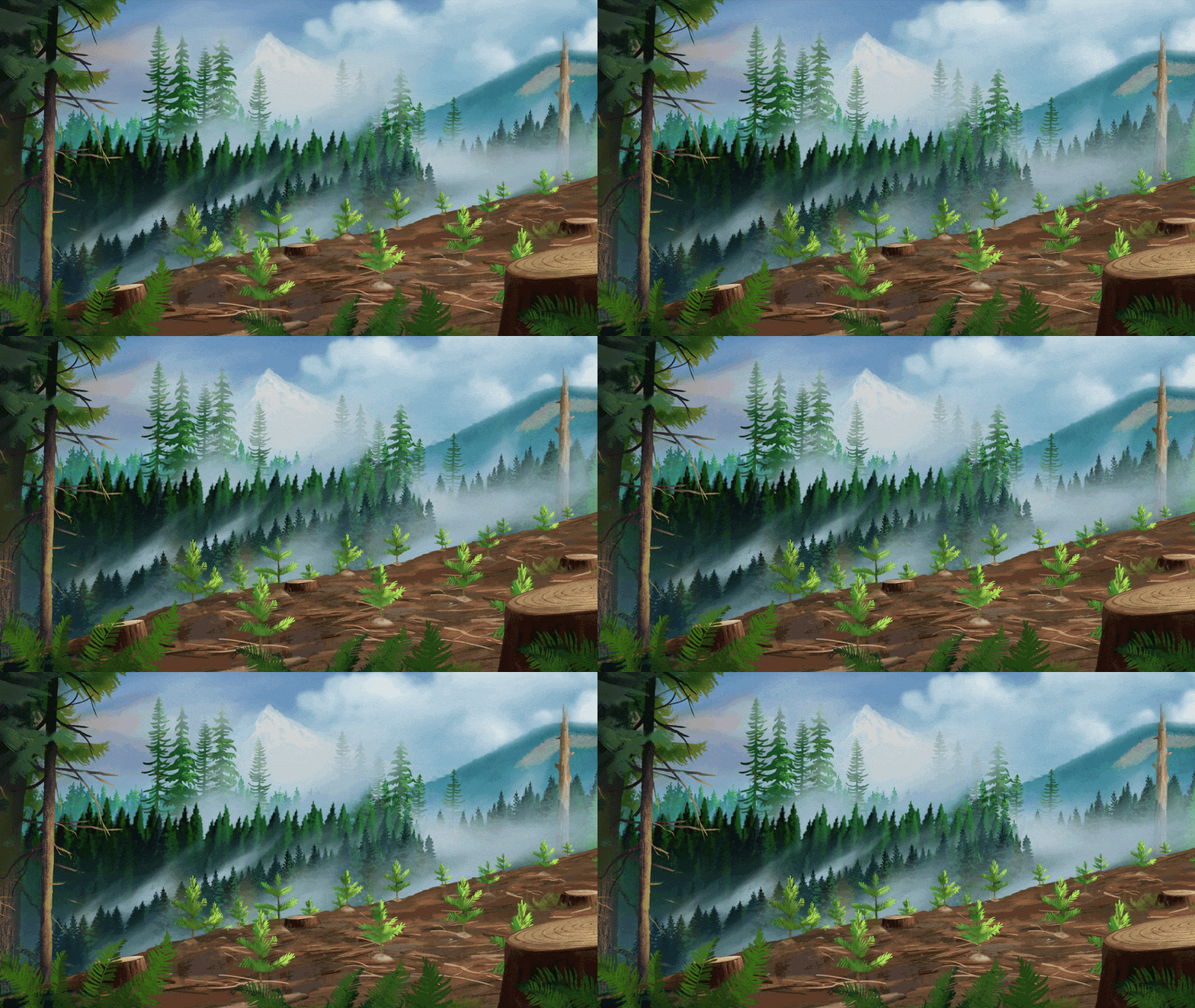
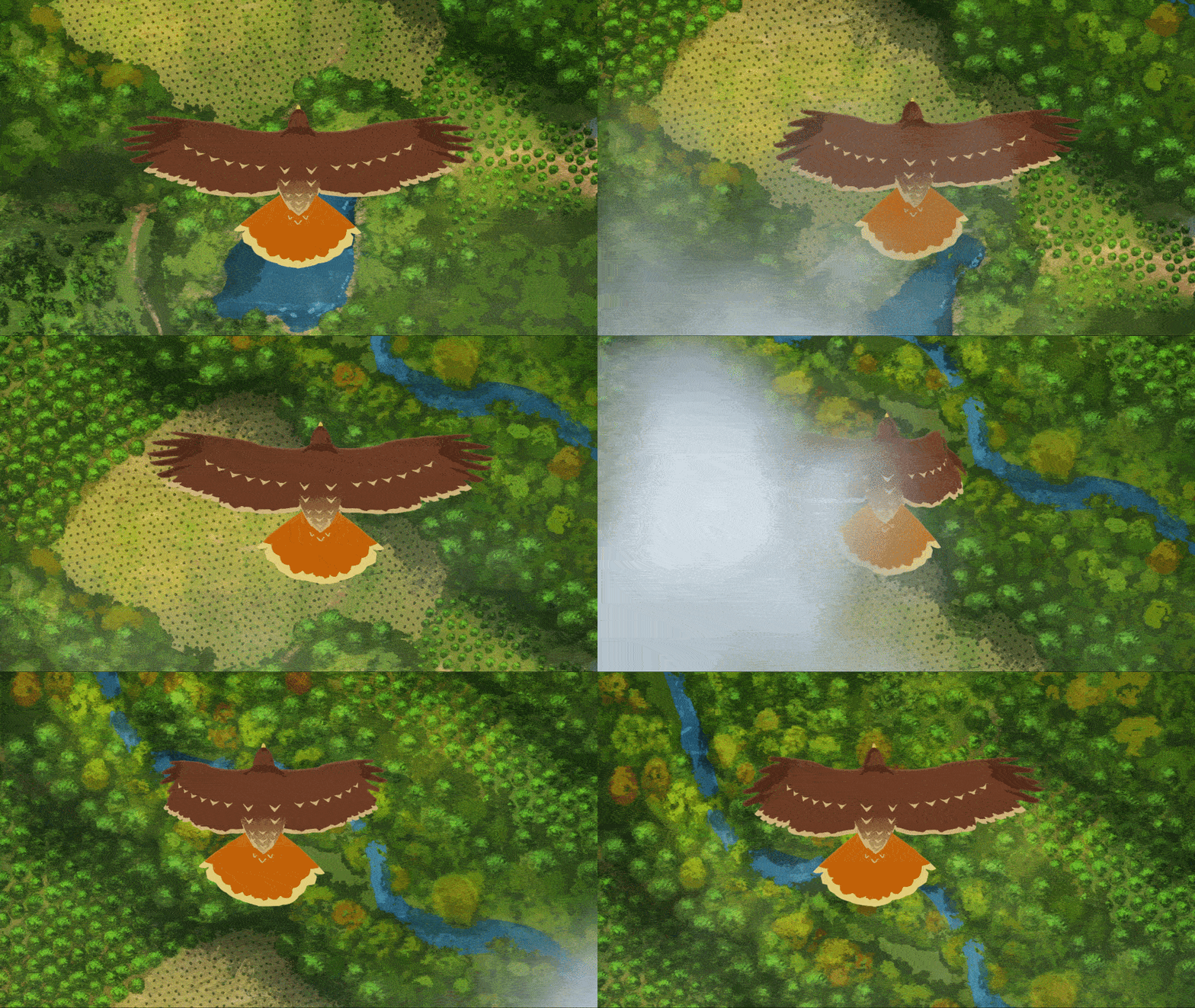
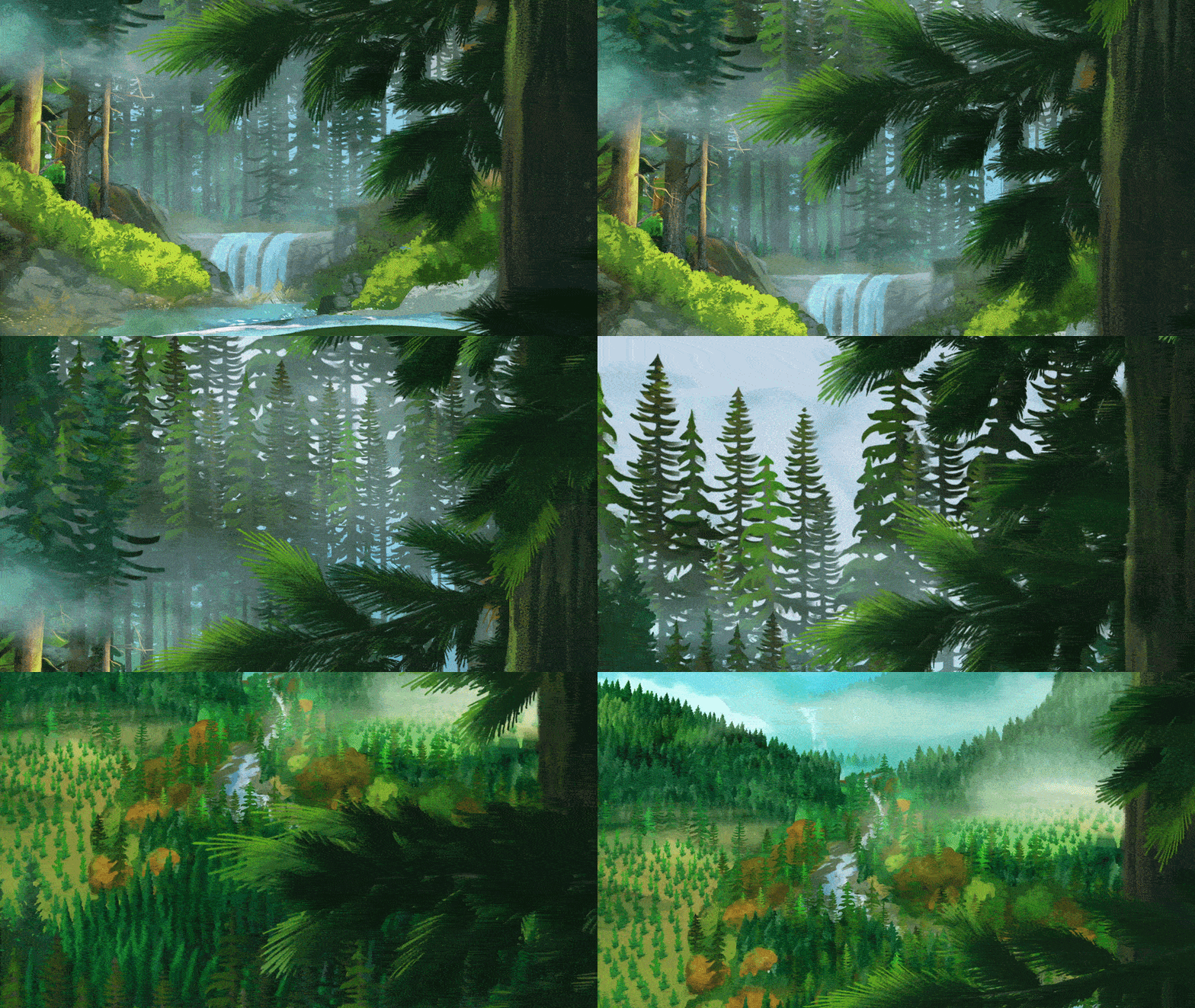
The wide environmental scenes.
The forests themselves became characters within the films.
Detail in the painted environments helped ground the educational content in a believable world, creating a stronger sense of place and helping audiences connect with concepts that might otherwise feel abstract. Those moments showcase what made the project special: a commitment to both scentific accuracy, artistry, and craftsmanship.
The project's success came from an ongoing dialogue between artists and experts.
Multiple rounds of animatics allowed stakeholders and subject matter experts to review concepts early, helping align everyone on both the educational objectives and creative direction before animation began.
That collaborative process gave the team confidence to push the visual quality further, knowing the foundation was scientifically sound.
The result was a production pipeline where research informed design, design supported storytelling, and storytelling helped make complex information easier to understand.
The finished animations created technical forestry topics into stories audiences could understand, as well as learn from.
By combining expert knowledge with detailed visual world-building, the series helped make complex environmental concepts more accessible without losing the nuance that made them important.
The project demonstrated how thoughtful animation can bridge the gap between education and engagement, creating work that informs while still holding people's attention.


Client: Oregon Forest Resources Institute (OFRI)
Studio: Deep Sky
Producer: James Horn
Producer: Elliot Freeman
Creative Direction: Barret Thomson
Art Director & Animation: Gaby West
Sound Design & Mix: Brett White
Motion Graphics: Tyler Benjamin
Background Animator: Jenn Ely
2D Animation: Adam DiTerlizzi
2D Animation: Matthew Seely
2D Animation: Jack Ellis
2D Animation: Adrian Parat
The rich text element allows you to create and format headings, paragraphs, blockquotes, images, and video all in one place instead of having to add and format them individually. Just double-click and easily create content.
A rich text element can be used with static or dynamic content. For static content, just drop it into any page and begin editing. For dynamic content, add a rich text field to any collection and then connect a rich text element to that field in the settings panel. Voila!
Headings, paragraphs, blockquotes, figures, images, and figure captions can all be styled after a class is added to the rich text element using the "When inside of" nested selector system.